Why Dental Implants Fail (And How to Avoid It)
Posted on 10/9/2025 by SRD Tuscumbia |
 Dental implants have one of the highest long-term success rates of any tooth replacement option, but understanding why dental implants fail in a small percentage of cases helps patients in Tuscumbia, AL protect what they’ve invested in. Most modern implants placed by experienced dentists succeed for decades, with research generally citing success rates around 95 percent at the ten-year mark. That leaves a small minority of cases where something goes wrong, and almost all of those situations trace back to causes that are either preventable or detectable early. Dental implants have one of the highest long-term success rates of any tooth replacement option, but understanding why dental implants fail in a small percentage of cases helps patients in Tuscumbia, AL protect what they’ve invested in. Most modern implants placed by experienced dentists succeed for decades, with research generally citing success rates around 95 percent at the ten-year mark. That leaves a small minority of cases where something goes wrong, and almost all of those situations trace back to causes that are either preventable or detectable early.
At Singing River Dentistry, our team has placed and restored implants for patients across the Shoals area, and the most useful thing we can share with someone considering implants (or already living with one) is a clear picture of the risks and the warning signs. This article walks through the most common reasons implants fail, the signs to watch for, and the daily habits that make the biggest difference in long-term success. For a broader overview of the procedure itself, visit our dental implants service page.
On This Page
Understanding Dental Implant Failure: How Common Is It?
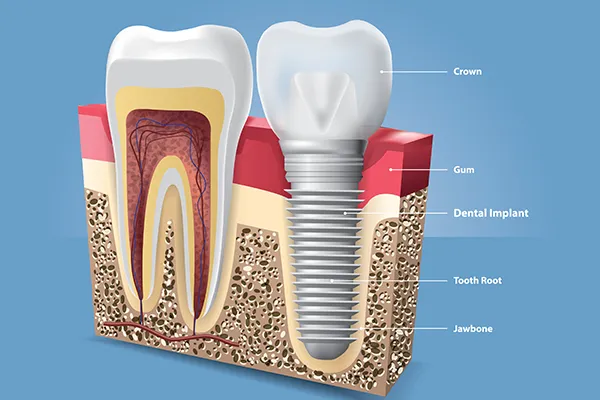 Implant success depends on a biological process called osseointegration, where the titanium post fuses with the surrounding jawbone over a period of several months. When that fusion holds and the gum and bone around the implant stay healthy, the implant functions like a natural tooth root for decades. Most patients fall comfortably into this group. Implant success depends on a biological process called osseointegration, where the titanium post fuses with the surrounding jawbone over a period of several months. When that fusion holds and the gum and bone around the implant stay healthy, the implant functions like a natural tooth root for decades. Most patients fall comfortably into this group.
When failure does happen, it generally falls into one of two categories. Early failure occurs within the first few months, before or shortly after osseointegration should have completed, and is most often related to infection or a problem with bone fusion. Late failure happens months or years after the implant has integrated successfully, and is most often driven by gum disease around the implant or excessive bite forces. Knowing the difference matters because the causes, and the prevention strategies, are different for each.
The Most Common Causes of Implant Failure
Most implant failures trace back to one of five root causes. Some are within the patient’s control, some sit on the clinical side, and a few involve both.
Peri-Implantitis and Gum Disease
This is the single most common cause of late implant failure. Peri-implantitis is an inflammatory condition where bacteria build up around the implant, causing the gum and bone tissue that support it to break down. It typically starts as peri-implant mucositis, which is inflammation of the gum tissue alone, and progresses to peri-implantitis once the bone is involved. Untreated, the implant gradually loses the foundation it needs to stay anchored. Consistent periodontal care and meticulous home hygiene are the strongest defenses.
Insufficient Bone or Failed Osseointegration
For an implant to integrate, there needs to be enough healthy bone in the right place to hold it. Patients who have been missing teeth for a while often experience bone loss in those areas, which is why bone grafting is sometimes part of the treatment plan before placement. Failed osseointegration, where the bone never fully fuses with the implant, is uncommon but can happen, particularly when bone quality is poor or healing is disrupted.
Smoking and Health Conditions
Smoking is one of the strongest risk factors for implant failure. It restricts blood flow to the gums, slows healing, and significantly raises the risk of peri-implantitis. Uncontrolled diabetes also impairs healing and increases infection risk. Certain medications, autoimmune conditions, and a history of head and neck radiation therapy can affect outcomes as well. None of these automatically disqualifies someone from implants, but each calls for careful planning and honest conversation during the consultation.
Bruxism and Bite Force Problems
Chronic teeth grinding and clenching place pressure on implants well beyond what they were designed to handle. Over time this can loosen the implant, fracture the crown, or damage the bone around the post. Patients who grind often benefit from a custom night guard. If grinding is part of your nighttime routine, our teeth grinding treatment is worth discussing before or shortly after your implant is placed.
Mechanical and Restoration Issues
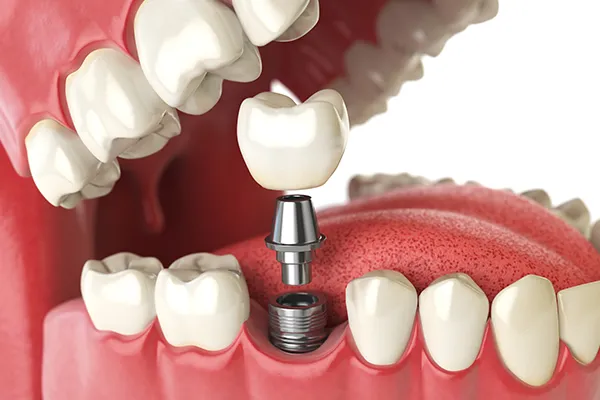
The implant itself is one part of a system that also includes an abutment and a crown. Loose screws, fractured crowns, or a bite that places uneven force on the restoration can all cause problems even when the implant is fully integrated. Most of these issues are repairable when they are caught early.
Warning Signs of a Failing Dental Implant
A healthy implant should feel and function like a natural tooth. When something is off, the signs are usually noticeable if you know what to look for.
| • |
Looseness or shifting – The implant or crown moves when you press on it
|
| • |
Persistent discomfort – Soreness or throbbing around the implant that lingers beyond normal healing
|
| • |
Swelling or redness – Inflammation of the gum tissue around the implant, particularly with bleeding when brushing
|
| • |
Gum recession – The gum line pulling back and exposing the implant threads
|
| • |
Drainage – Any pus or discharge from around the implant site is a clear sign of infection
|
| • |
Bite changes – A sudden feeling that your teeth no longer fit together the same way
|
| • |
Bad taste or odor – A persistent issue coming from one specific area |
Early intervention is the difference between a quick fix and a more involved procedure. If you notice any of these signs, schedule a dental exam right away rather than waiting for your next routine cleaning.
How to Maximize Your Implant’s Long-Term Success
 The biggest predictors of implant longevity are also the most controllable. Patients who handle these basics well rarely run into trouble. The biggest predictors of implant longevity are also the most controllable. Patients who handle these basics well rarely run into trouble.
Brush twice a day with a soft-bristled brush, paying extra attention to where the implant crown meets the gum line. Floss daily, using floss designed for implants or interdental brushes if your dental team recommends them. Plaque around an implant is just as harmful as plaque around a natural tooth, and the area where the gum meets the implant deserves the most attention.
Keep up with professional cleanings and exams. Our team uses specialized instruments to clean around implants without scratching the surface, and we monitor the surrounding bone with periodic imaging. Many patients benefit from a slightly more frequent cleaning schedule during the first year after placement. For a deeper look at long-term care, our dental implant maintenance resource walks through what to expect at each visit.
If you smoke, talk with your team about cessation support before implants are placed. Manage diabetes carefully, address grinding with a night guard if needed, and treat any gum disease before it has a chance to spread to the implant area.
Protecting Your Investment in Tuscumbia
Dental implants are designed to last, and with consistent care most patients enjoy theirs for many years. If you have questions about an implant you already have, or you’re considering implants and want to understand the risk factors that apply to your situation, our team at Singing River Dentistry is glad to talk it through with you. Call 256-383-0377 or visit our Tuscumbia, AL dental practice to schedule a consultation.
Frequently Asked Questions
Can a failed dental implant be replaced?
In most cases, yes. After removing the failed implant, the area is allowed to heal, and bone grafting may be needed to rebuild support before a new implant is placed. The replacement timeline depends on the underlying cause of the failure and the condition of the surrounding bone and gum tissue.
How long should a successful dental implant last?
The implant post itself often lasts decades and can sometimes last a lifetime when cared for properly. The crown attached to the implant may need replacement after 10 to 15 years due to normal wear, similar to other dental restorations.
Does dental insurance cover a failed implant?
Coverage varies widely by plan. Some policies help with the cost of replacement implants, especially when failure is documented as not the patient’s fault. Our office can help you understand your specific benefits before any treatment is scheduled.
What should I do if my implant feels loose?
Call your dentist promptly. Sometimes the looseness is just a loose abutment screw or crown, which is an easy fix when caught early. Other times it can signal a problem with the implant itself, and earlier evaluation gives you more treatment options.
Can smoking really cause my implant to fail?
Yes. Smoking is one of the most well-documented risk factors for implant failure. It reduces blood flow to healing tissues, increases the risk of peri-implantitis, and slows the body’s ability to fight infection. Cutting back or quitting before placement, and staying off cigarettes during healing, makes a meaningful difference.
Is implant failure always painful?
Not always. Some implants fail quietly with only mild signs like minor gum recession or a subtle change in fit. Others cause noticeable discomfort, swelling, or sensitivity. Because symptoms vary, regular check-ups are important even when everything feels fine.
|
|