How Long After Eating Does It Become Safe to Brush?
Posted on 5/15/2026 by Singing River Dentistry - Florence |
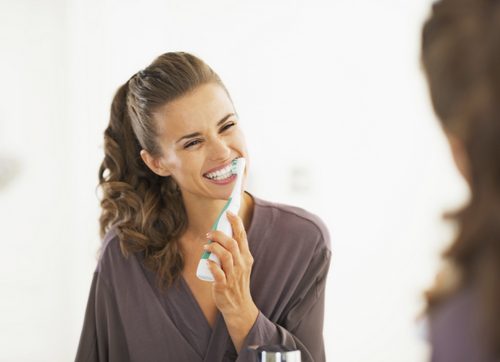 Have you ever wondered if you should brush your teeth right after eating? It's a common question, and the answer isn't as straightforward as you might think. Let's explore the science behind brushing teeth and timing, and how it impacts your oral care routine. Have you ever wondered if you should brush your teeth right after eating? It's a common question, and the answer isn't as straightforward as you might think. Let's explore the science behind brushing teeth and timing, and how it impacts your oral care routine.
The Acid Attack
When you eat, especially foods high in sugar or carbohydrates, the bacteria in your mouth go to work. These bacteria consume the sugars and produce acids as a byproduct. This acid is what attacks your tooth enamel, the hard, protective outer layer of your teeth. This process is called demineralization, and it can soften the enamel, making it more vulnerable to damage.
Why Immediate Brushing Isn't Always Best
While it seems logical to brush away these acids immediately, doing so can sometimes do more harm than good. Think of your enamel as being temporarily weakened by the acid. Brushing immediately after eating, while the enamel is still softened, can actually wear it away. This is especially true if you brush vigorously or use a hard-bristled toothbrush.
The Waiting Game: A Matter of Time
So, how long should you wait? Most dental professionals recommend waiting at least 30 minutes after eating before brushing. This allows your saliva to naturally neutralize the acids in your mouth and begin the remineralization process, where minerals are redeposited onto the enamel. Saliva is your body's natural defense system against tooth decay!
What to Do While You Wait
If you want to freshen your mouth after eating without brushing immediately, there are several options:
| • |
Rinse with water: Swishing water around in your mouth can help remove food particles and dilute the acids. |
| • |
Chew sugar-free gum: Chewing gum stimulates saliva production, which, as mentioned, helps neutralize acids and remineralize enamel. Look for gum containing xylitol, a natural sweetener that can actually inhibit the growth of bacteria. |
| • |
Use a fluoride mouthwash: Fluoride helps strengthen tooth enamel and protect against acid attacks. |
Optimal Brushing Technique
Regardless of when you brush, proper technique is essential. Use a soft-bristled toothbrush and brush gently in small, circular motions. Be sure to reach all surfaces of your teeth, including the front, back, and chewing surfaces. Don't forget to brush your tongue to remove bacteria and freshen your breath. Replace your toothbrush every three months, or sooner if the bristles are frayed.
The Importance of Prevention Dentistry
Good oral care involves more than just brushing. Regular dental check-ups and cleanings are crucial for maintaining healthy teeth and gums. Your dentist can identify potential problems early and provide preventive treatments to protect your smile. Professional cleanings remove plaque and tartar buildup that you can't remove with brushing alone.
Making It a Habit
Ultimately, the best approach is to find a brushing routine that works for you and stick to it. Waiting at least 30 minutes after eating, using proper brushing technique, and maintaining regular dental appointments are all important components of a comprehensive oral care plan. By prioritizing prevention dentistry, you can enjoy a healthy and beautiful smile for years to come.
|
|