Prevention and Management of Dental Injuries in Sports
Posted on 1/1/2026 by Singing River Dentistry - Florence |
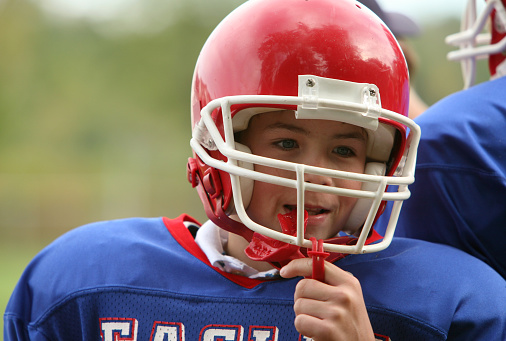 Playing sports is a fantastic way to stay active and have fun, but it also comes with the risk of injuries. Many people think about protecting their knees and ankles, but often forget about their teeth! Unfortunately, dental injuries are common in sports, and they can be painful, costly, and have long-term effects. Let's dive into how to protect your smile while enjoying your favorite activities. Playing sports is a fantastic way to stay active and have fun, but it also comes with the risk of injuries. Many people think about protecting their knees and ankles, but often forget about their teeth! Unfortunately, dental injuries are common in sports, and they can be painful, costly, and have long-term effects. Let's dive into how to protect your smile while enjoying your favorite activities.
Understanding the Risk
Different sports have different levels of risk for dental injuries. Contact sports like football, hockey, and martial arts naturally carry a higher risk of impact. But even non-contact sports like basketball, baseball, and skateboarding can lead to accidental collisions or falls that damage your teeth.
The types of dental injuries that can occur range from minor chips and fractures to complete tooth loss. Lip and cheek lacerations are also common. Concussions and jaw fractures are also possibilities, highlighting the importance of protecting the entire orofacial region. Ignoring these risks can lead to bigger problems down the road, like infections, difficulty eating, and even changes in your speech.
The Importance of Mouthguards
The single most effective way to prevent dental injuries in sports is wearing a mouthguard. Think of it like a helmet for your teeth! A mouthguard acts as a cushion, absorbing and distributing the force of impact, reducing the chance of broken teeth, jaw fractures, and concussions.
There are different types of mouthguards available. Stock mouthguards are the least expensive and readily available, but they often don't fit well and can be uncomfortable. Boil-and-bite mouthguards offer a better fit after being softened in hot water and molded to your teeth. However, the best protection comes from a custom-fitted mouthguard made by your dentist. These are designed specifically for your mouth, providing superior comfort, fit, and protection.
What to Do If a Dental Injury Occurs
Even with the best protection, accidents can happen. If you experience a dental injury while playing sports, it's crucial to act quickly.
First, assess the situation. If you're bleeding heavily or suspect a concussion or jaw fracture, seek immediate medical attention at the nearest emergency room.
If a tooth is knocked out, handle it carefully. Pick it up by the crown (the part you normally see), not the root. Gently rinse it with milk or saline solution if it's dirty. Do not scrub it or remove any tissue fragments. The most important thing is to keep the tooth moist. Ideally, try to place the tooth back in its socket. If that's not possible, store it in milk, saline solution, or even saliva. Contact your dentist immediately. Time is critical – the sooner you see a dentist, the better the chances of saving the tooth.
For chipped or fractured teeth, rinse your mouth with warm water and apply a cold compress to your face to reduce swelling. Take over-the-counter pain medication if needed, and schedule an appointment with your dentist as soon as possible. Even seemingly minor chips can expose the inner layers of the tooth, making it vulnerable to sensitivity and decay.
Maintaining a Healthy Smile for Sports
Beyond mouthguards and emergency care, maintaining good oral hygiene is essential for athletes. Brush your teeth at least twice a day with fluoride toothpaste and floss daily. Regular dental checkups and cleanings can help identify and address any potential problems before they become serious. A healthy mouth is a strong mouth, and a strong mouth is better equipped to withstand the rigors of athletic activity. Remember, protecting your smile is an investment in your overall health and well-being, allowing you to enjoy your favorite sports with confidence.
|
|